

Refrigerated Truck / Reefer Truck – Cold Chain Transport for Perishables
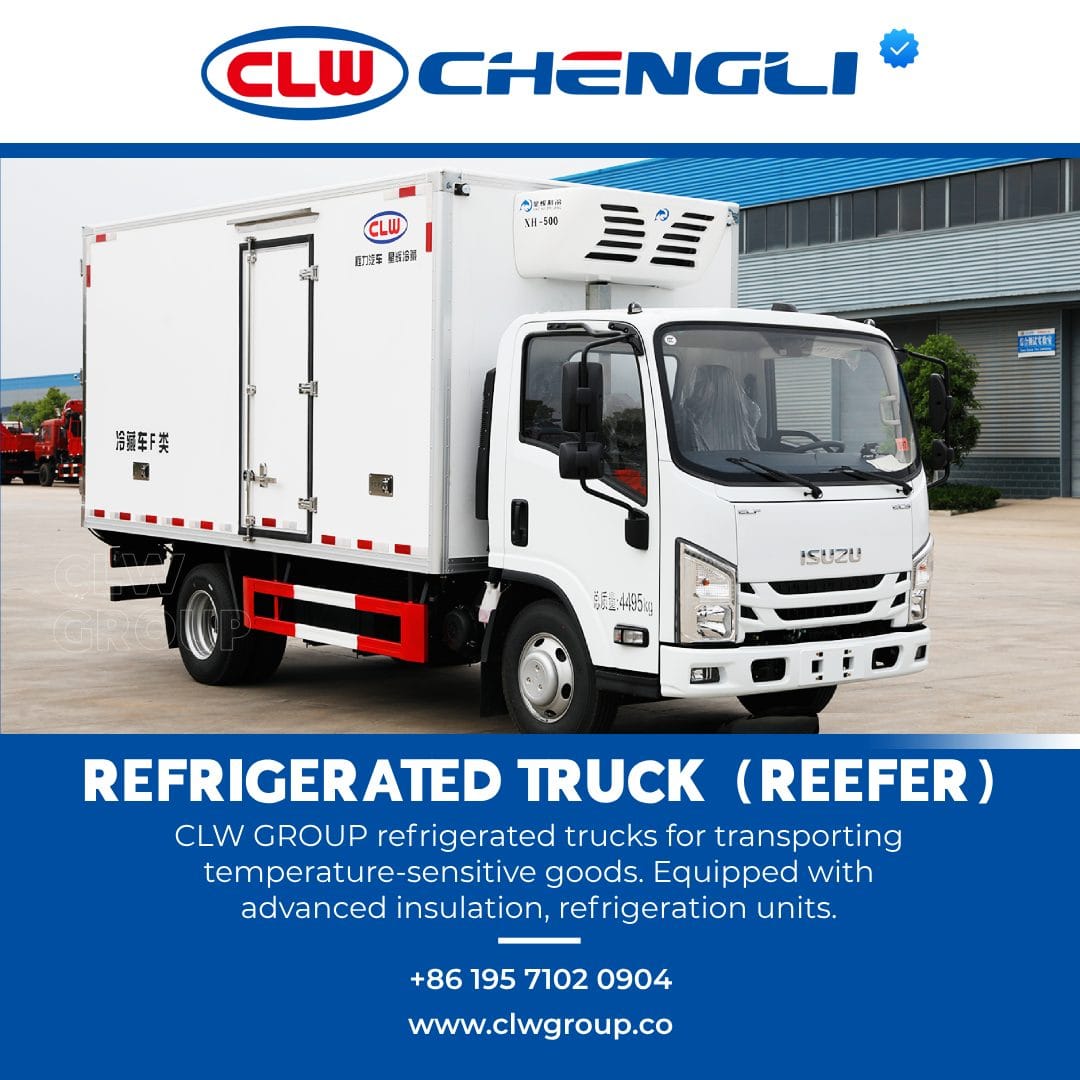
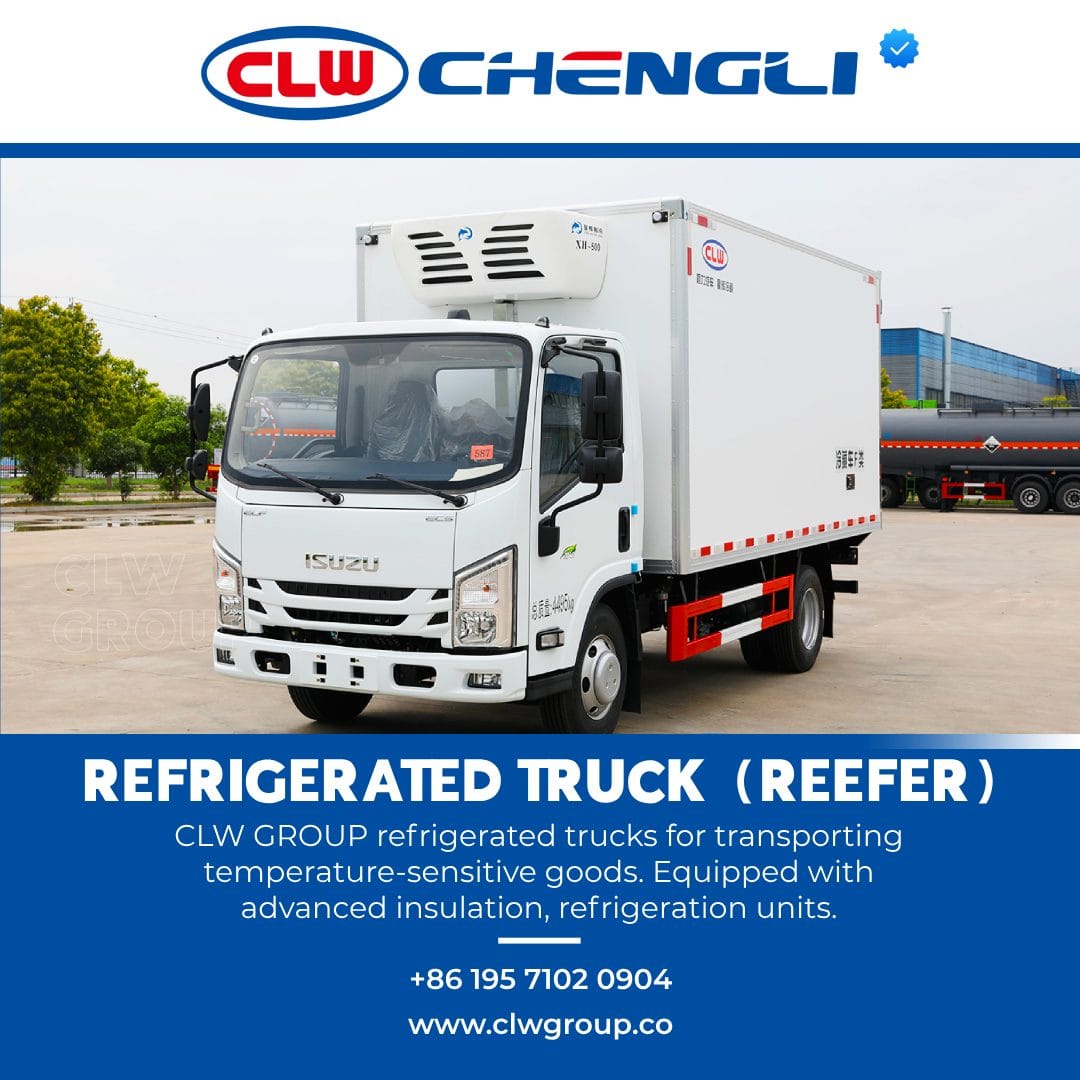
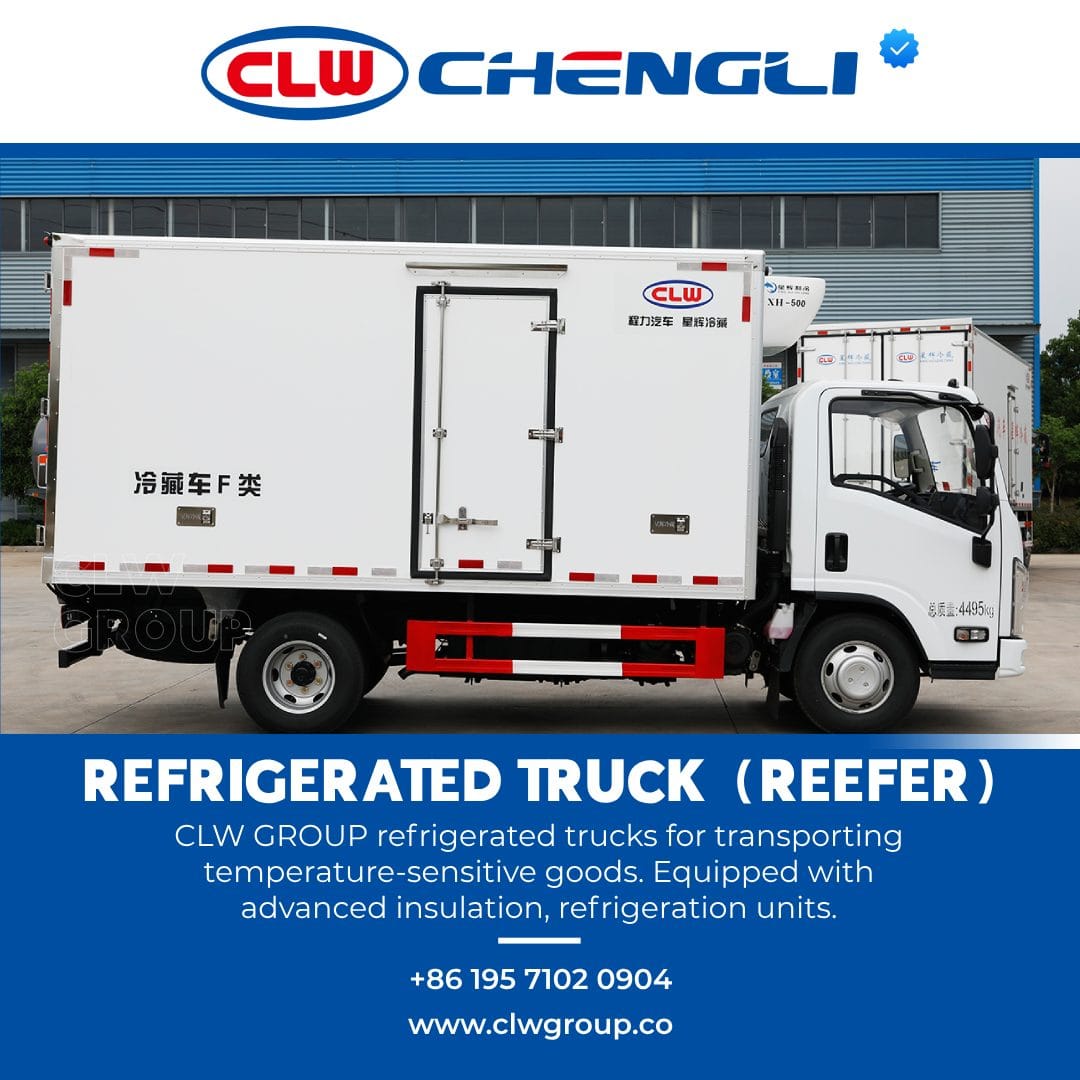
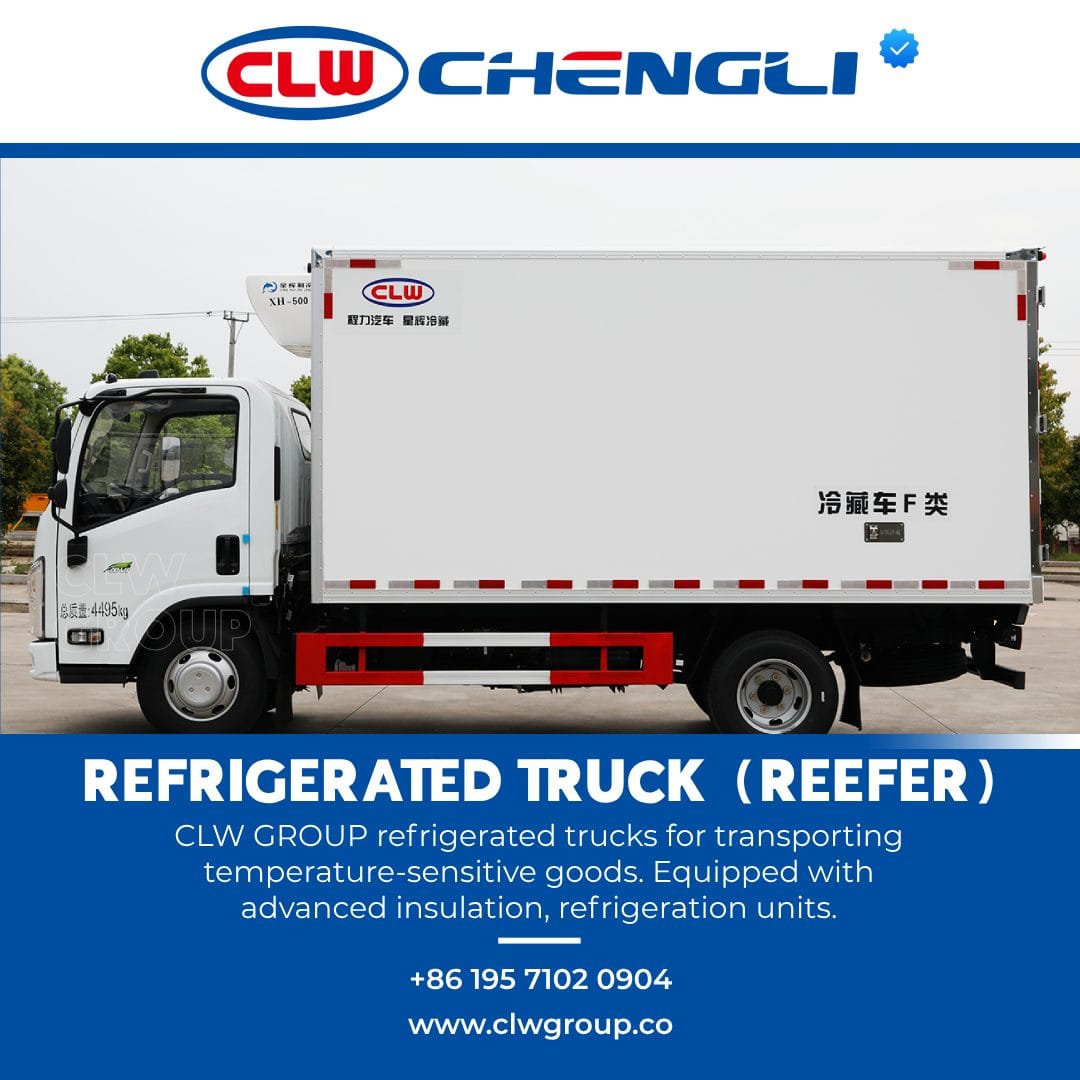
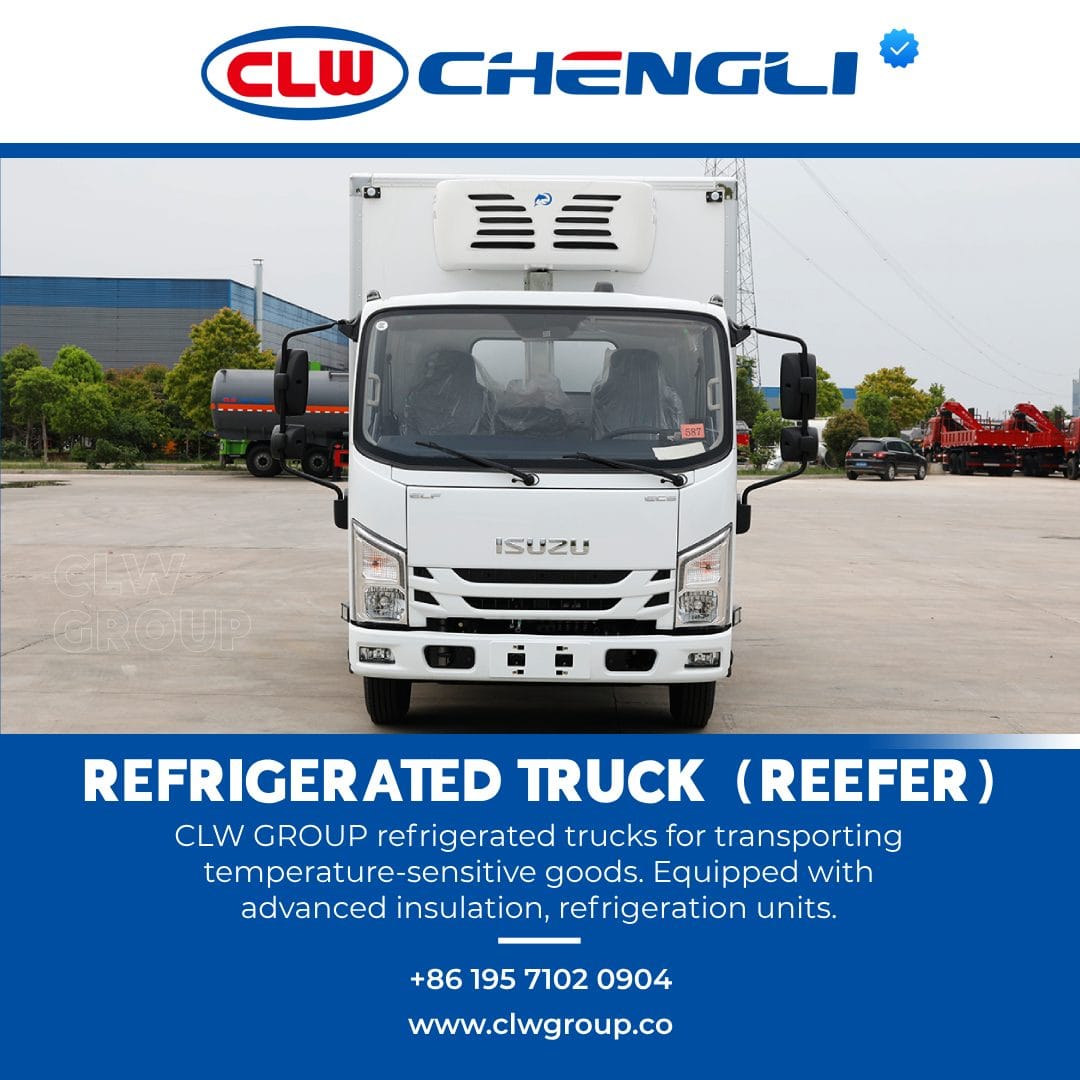
CLW GROUP refrigerated trucks for transporting temperature-sensitive goods. Equipped with advanced insulation, refrigeration units, and multi-temperature zones. Chassis options: Dongfeng, Isuzu, Sinotruk, FAW, and more.
Keep It Cold, Deliver It Fresh
CLW GROUP Refrigerated Trucks — also known as reefer trucks — are designed for transporting perishable and frozen products at stable temperatures. From pharmaceuticals to dairy, seafood, meat, and produce, these cold chain vehicles ensure safe delivery under any climate.
Key Features:
✔️ Temperature range from -20°C to +15°C
✔️ Single or dual compartments with partitions
✔️ Insulated box with GRP, PU foam, or stainless steel lining
✔️ Carrier / Thermo King / Chinese refrigeration units
✔️ Optional GPS temperature monitoring and rear liftgate
✔️ Mounted on chassis from CLW, Isuzu, Dongfeng, Sinotruk, FAW
Reliable. Hygienic. Compliant with cold-chain transport regulations worldwide.
Technical specifications:
| Specification | Details |
|---|---|
| Chassis Brand | CLW, Isuzu, Sinotruk, Sitrak, HOWO, Shacman, Dongfeng, FAW, Foton, Beiben, JAC, JMC |
| Drive Type | 4×2, 6×4, 8×4 |
| Box Volume | 5 – 35 cubic meters |
| Temperature Range | -20°C to +15°C |
| Refrigeration Unit | Carrier / Thermo King / Domestic Brands |
| Body Material | PU Foam + FRP / Stainless Steel (Optional) |
| Compartments | Single / Dual Zone (optional) |
| Optional Features | Liftgate, Data Logger, Side Door |
Refrigerated Truck: Cold Chain Transport for Temperature-Sensitive Goods
In the global logistics industry, the refrigerated truck, also known as a reefer truck or refrigeration truck, plays an essential role in the cold chain, enabling safe transportation of temperature-sensitive goods such as pharmaceuticals, meat, seafood, dairy products, ice cream, and even flowers. Whether you’re looking for a new or used refrigerated truck for sale, or simply want to understand the engineering behind this cold transport marvel, this guide offers everything you need to know.
Understanding the Functionality of a Refrigerated Truck
A refrigerated truck is a specially designed vehicle that maintains a controlled, chilled environment inside its cargo area using reefer units powered by diesel, electricity, or gasoline. The truck body is insulated to prevent temperature loss, and advanced refrigeration systems ensure stable temperature control during long-distance travel.
Reefer Truck Technology and Refrigeration Units
The cooling mechanism in these trucks involves a refrigeration unit, typically powered by a diesel engine or electric motor. Brands like Thermo King dominate the reefer technology market with their highly efficient temperature control systems that allow for freezing or chilling cargo between -25°C to +25°C.
Insulated walls made from stainless steel or galvanized steel
Freeze protection for ice cream and meat
Vent doors to release humidity
Temperature sensors with real-time monitoring
Types of Refrigerated Trucks
Refrigerated vehicles come in multiple configurations based on size, capacity, and application. These include mini refrigerated trucks, van cargo trucks, and full-size box trucks.
Box Trucks and Cargo Vans
Box trucks are ideal for urban deliveries and short-haul transportation. These include:
Mini refrigerated trucks for retail food chains
Isuzu refrigerated truck models known for fuel efficiency
Van cargo trucks for smaller loads like pharmaceuticals and bakery items
Applications of Refrigerated Transport
Refrigerated transport serves numerous industries:
Pharmaceutical supply chains
Meat and seafood transportation
Ice cream industry and dairy
Perishable flowers and cosmetics
The cold chain must be maintained from manufacturing to delivery, making these vehicles indispensable in temperature-sensitive shipping operations.
Cold Chain Compliance and Temperature Zones
Maintaining consistent temperature is critical. Based on cargo, refrigeration trucks can be calibrated for:
Deep freeze (-25°C to -18°C) – for seafood, frozen meat, ice cream
Chill zone (0°C to 5°C) – for dairy, fruits, and vegetables
Ambient control (10°C to 25°C) – for pharmaceuticals
How to Choose a Refrigerated Truck for Your Needs
When exploring trucks for sale, consider:
Payload capacity – light-duty vs. heavy-duty
Temperature range – based on your cargo
Size of the box – small (mini), medium, or large
Fuel type – diesel or electric
Maintenance history – especially for used refrigerated trucks for sale
Used Refrigerated Trucks for Sale: What to Look For
Many businesses opt for used refrigerated trucks due to cost savings. However, certain checks are essential:
Refrigeration unit efficiency
Truck body insulation
Age and mileage
Door seals and cargo box condition
Maintenance records
Sites offering used refrigerated truck listings typically include full vehicle history and sale options with warranties.
The Manufacturing Process of Refrigerated Trucks
Manufacturers start with a chassis—commonly from brands like Isuzu, FAW, or Dongfeng. Then the insulated cargo box is mounted, followed by the integration of the reefer unit and optional features like:
Partition doors
Floor drains
GPS tracking
Automatic temperature adjustment systems
Popular Configurations: Isuzu and More
One of the most popular configurations is the Isuzu refrigerated truck, known for its:
Fuel efficiency
Compact size
Reliable chassis
Perfect for urban refrigerated transport
These trucks are used widely in Asia, Africa, the Middle East, and CIS countries for perishable delivery and retail distribution.
Market Trends and Global Use
With over 4 million refrigerated vehicles on the road globally, the cold chain sector is booming. A rising demand for frozen food, pharmaceuticals, and vaccines has driven significant investment into reefer trucks.
Global Demand Excludes Certain Markets
Note that certain Chinese refrigerated truck manufacturers do not export to:
USA
Canada
Europe
Australia
New Zealand
Japan
South Korea
Their primary markets include:
Africa
Asia
Middle East
CIS nations
Components of a Refrigerated Truck Body
Each refrigerated truck consists of:
Stainless steel or steel cargo box
Internal insulation panels
Cooling unit
Ventilation system
Temperature monitoring system
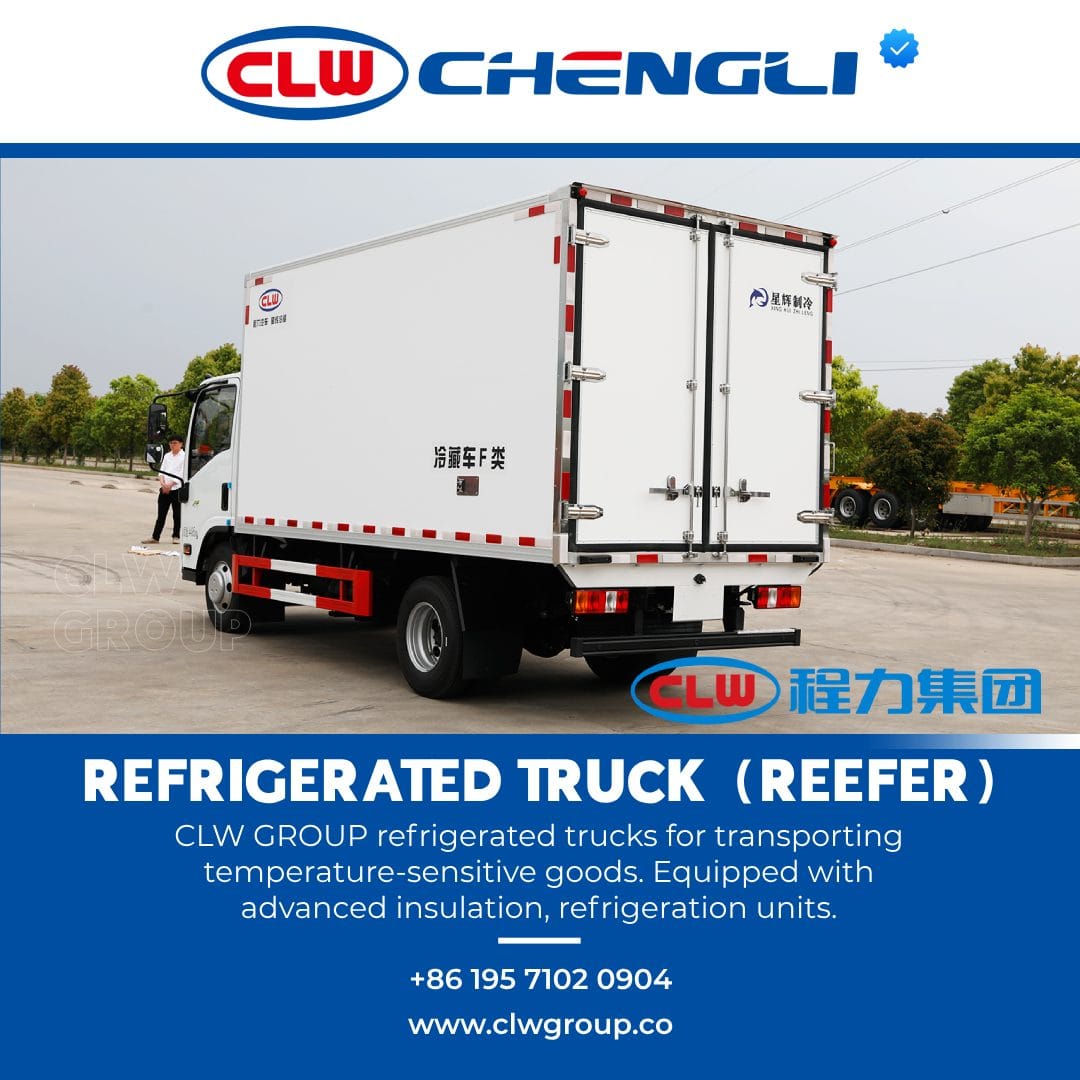
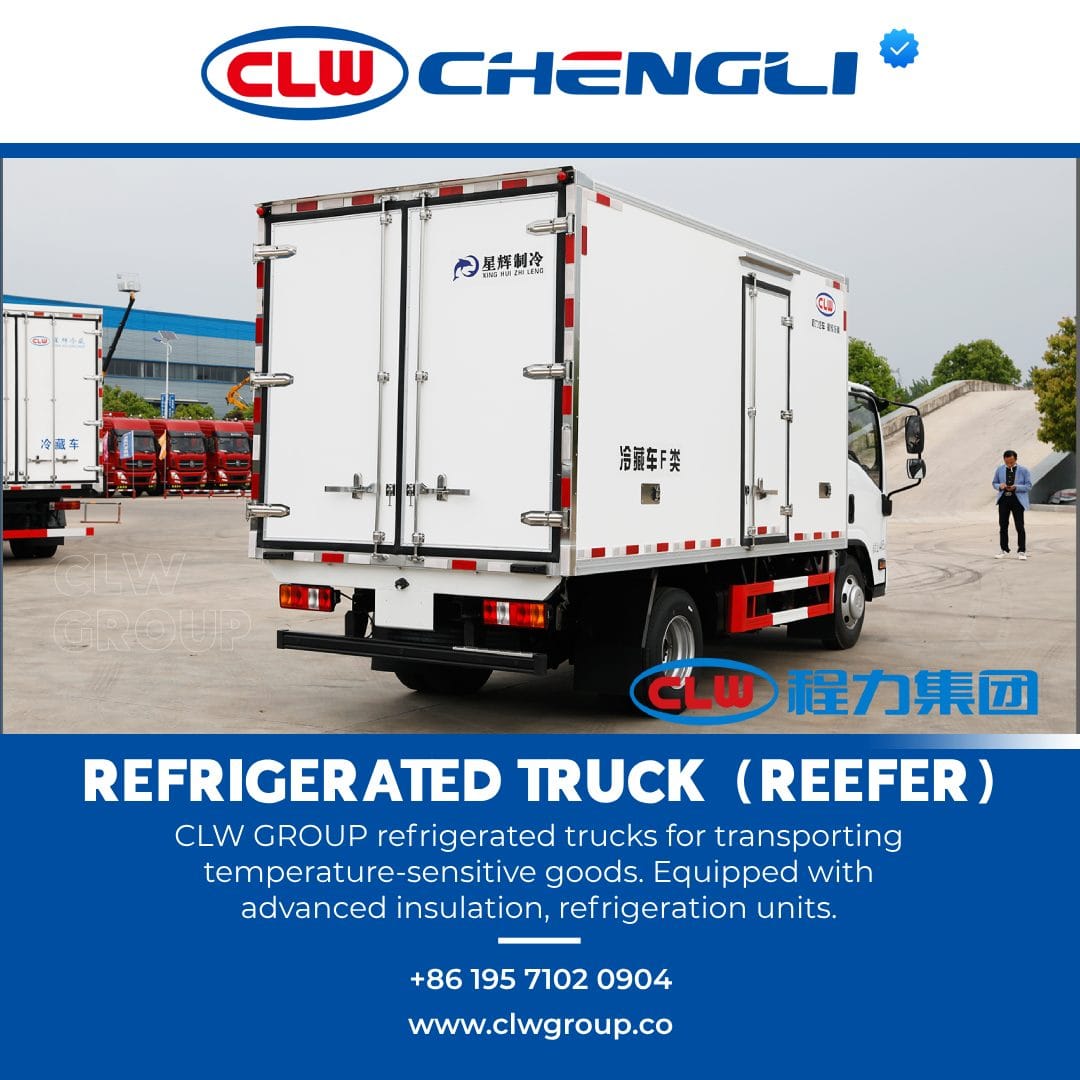
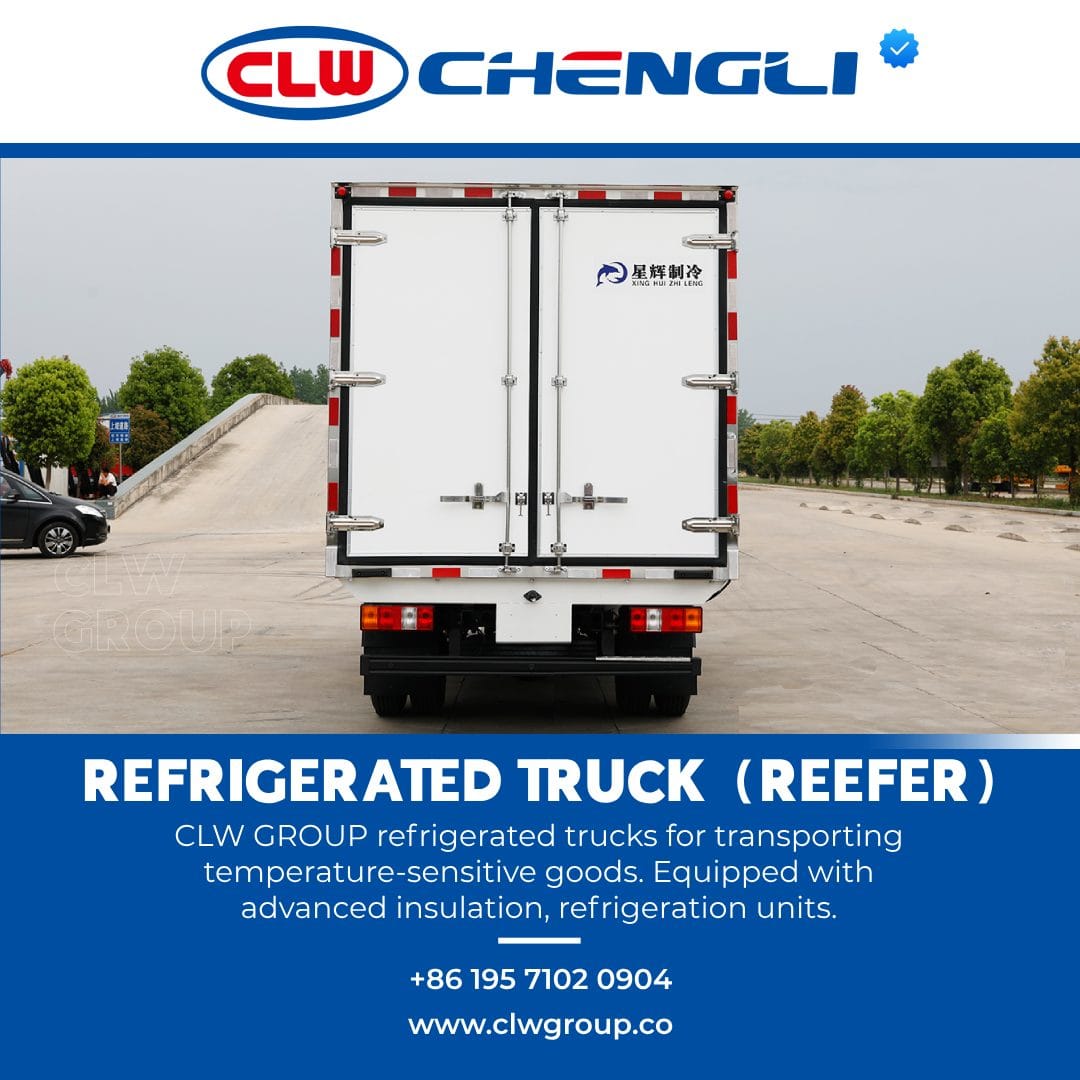
Double rear doors and side doors
Drainage pipes for melted ice
Essential Maintenance for Refrigerated Vehicles
To maintain efficiency and reliability, regular checks are needed:
Clean evaporators and condensers
Check insulation for cracks
Service diesel or electric cooling units
Monitor temperature sensors
Replace worn-out door gaskets
Comparison: New vs. Used Refrigerated Truck
| Feature | New Truck | Used Refrigerated Truck |
|---|---|---|
| Price | Higher upfront cost | Lower initial investment |
| Warranty | Manufacturer’s warranty | Depends on age and seller |
| Efficiency | Maximum cooling performance | Varies depending on condition |
| Customization | Fully customizable | Limited to existing configurations |
| Lifespan | 10+ years | Depends on maintenance history |
Refrigerated Transport and Fuel Efficiency
Given the high energy demands of refrigeration systems, fuel efficiency is a major consideration:
Diesel-powered units for long haul
Electric reefer units for urban use
Hybrid cooling systems for sustainable transport
Famous Contributor: Frederick McKinley Jones
The invention of the modern refrigeration truck system can be credited to Frederick McKinley Jones, who revolutionized cold-chain logistics by inventing a portable refrigeration unit for trucks in the 1930s. His legacy continues in every reefer unit built today.
Cold Chain Transport Challenges
Despite technological advances, the cold chain faces challenges:
Maintaining temperature consistency during loading/unloading
Handling power outages
Reducing fuel consumption
Improving insulation materials
Addressing shipping delays
Tips for Buying Trucks for Sale
If you’re looking for refrigerated trucks for sale, here’s a checklist:
Compare trucks and trailers
Consider box trucks vs. reefer trucks
Ensure availability of spare parts
Request cold unit efficiency reports
Check payload capacity and cargo box size
Insulation and Steel Material Quality
Proper insulation is critical to preserve cooling performance:
Polyurethane foam – commonly used for insulation
Stainless steel – for durability and hygiene
Sealed door frames – prevent heat infiltration
CLW Group also manufactures a fully equipped fire truck (fire engine), engineered for rapid response and superior performance in firefighting and rescue operations.Final Thoughts
From mini freezer vans to large-scale reefer trailers, refrigerated transport has transformed how we move perishable goods across regions and continents. Whether you need a used refrigerated truck or a brand-new refrigerated truck for sale, making an informed decision requires understanding the mechanics, components, and usage contexts of these specialized vehicles.
As demand for temperature-sensitive delivery grows, investing in the right truck, maintaining it regularly, and operating within an optimized cold chain network can help businesses thrive.
You must be logged in to post a review.
Related products
$17,000.00
$21,800.00
$15,900.00
$24,500.00
$17,900.00



Reviews
There are no reviews yet.